Khushi Mukherjee Sparks Outrage Over Bold Look
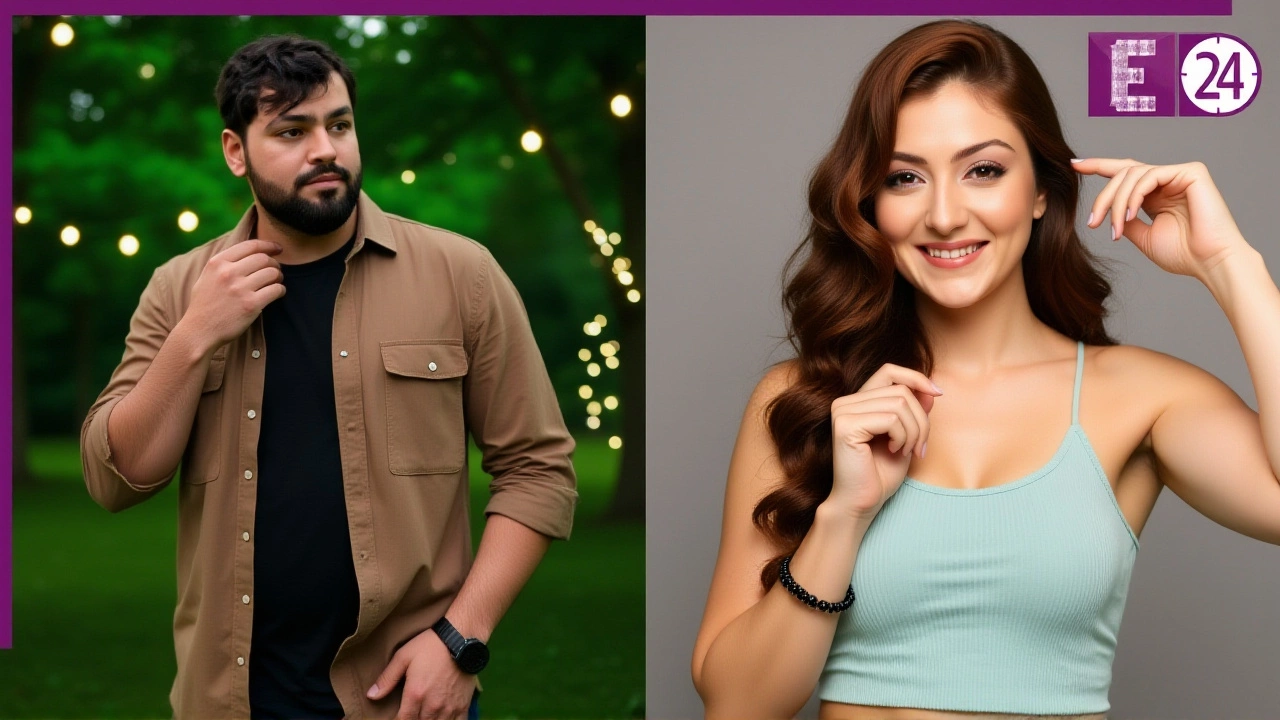
When Khushi Mukherjee, a rising figure in the entertainment industry, stepped out in a daring black ensemble recently, she didn't just turn heads—she ignited a firestorm online. The backlash wasn't about her performance or career moves; it was squarely aimed at what she wore. Within hours, social media feeds flooded with polarized reactions, ranging from admiration to harsh criticism, highlighting an ongoing cultural battle over women's clothing choices.
The incident underscores a persistent tension in public discourse: who decides what is 'appropriate' attire for women? While some praised Mukherjee’s confidence and style, others launched into familiar tropes of victim-blaming, arguing that revealing outfits invite unwanted attention or even crime. This debate isn’t new, but its intensity on digital platforms continues to escalate, forcing celebrities and everyday users alike to navigate increasingly volatile online environments.
The Outfit That Ignited Debate
Mukherjee’s look—a sleek, form-fitting black outfit designed to accentuate her silhouette—was shared widely across Instagram and Twitter. Photos of her at a recent event went viral, drawing millions of views within 48 hours. Hashtags like #KhushiMukherjeeStunning trended alongside more critical tags such as #OverExposed, reflecting the divided opinions.
"It’s not just about fashion—it’s about respect," one commenter wrote, while another countered, "Respect starts with letting people dress how they want." These exchanges mirror broader societal debates about autonomy versus tradition, particularly in conservative communities where modesty is often enforced through social pressure.
Interestingly, this isn’t the first time Mukherjee has faced scrutiny over her wardrobe. In 2023, she sparked similar controversy after appearing in a red gown at a film festival. Back then, critics accused her of seeking attention, while supporters defended her right to self-expression. Each instance seems to reignite discussions about double standards applied to male and female celebrities alike.
Voice of Criticism Emerges Online
A transcript from a Hindi-language YouTube video discussing the incident revealed particularly troubling sentiments. At approximately nine minutes into the clip, an unnamed speaker stated, “All these things are wrong—they lead to problems for women later on. Somewhere down the line, I feel this becomes a major cause of crime.” Though no name or affiliation was provided for the speaker, their comments encapsulate a harmful narrative frequently perpetuated online: that women’s clothing somehow contributes to harassment or violence against them.
This perspective ignores decades of research showing that sexual assault stems from power dynamics, not clothing choices. Yet, despite evidence to the contrary, such arguments persist because they shift responsibility away from perpetrators and onto victims. It’s a dangerous precedent—one that normalizes blame-shifting rather than addressing root causes.
Social justice advocates have condemned these remarks, calling them regressive and harmful. Dr. Priya Sharma, a sociologist specializing in gender studies, noted, “Victim-blaming narratives thrive when society refuses to hold abusers accountable. Blaming a woman’s outfit does nothing to prevent crimes—it only silences survivors.”
Fans Rally Behind Khushi Mukherjee
Amidst the negativity, many fans rallied behind Mukherjee, flooding comment sections with messages of support. One fan tweeted, “If dressing confidently makes you uncomfortable, maybe it’s your mindset that needs fixing—not her clothes.” Another added, “She’s living her life, not yours. Let her shine.”
These responses highlight a growing movement among younger generations challenging outdated norms around femininity and morality. For many, supporting Mukherjee isn’t just about defending one person—it’s about standing up for collective rights to bodily autonomy and freedom of expression.
Even fellow celebrities weighed in. Actress Ananya Panday posted a photo of herself wearing a similarly bold outfit, captioning it, “Confidence looks good on everyone.” Her post received thousands of likes, signaling solidarity within the industry.
Bigger Picture: Fashion vs. Morality
This episode reflects larger trends shaping global conversations about fashion and morality. As social media amplifies both praise and criticism, public figures find themselves under constant surveillance. Every choice—from hairstyles to accessories—is scrutinized, judged, and sometimes weaponized against them.
In India specifically, where traditional values coexist with modern influences, clashes between old-school expectations and contemporary lifestyles are common. Celebrities often bear the brunt of these tensions, becoming symbols in battles fought long before their time.
Experts suggest that education plays a crucial role in shifting mindsets. By teaching empathy and critical thinking early on, societies can move beyond simplistic judgments based on appearances. Until then, incidents like Mukherjee’s will continue sparking heated debates—and reminding us how far we still have to go toward true equality.
What Happens Next?
For now, Mukherjee remains unfazed by the uproar. In a brief statement via her team, she said, “I wear what makes me happy. If that inspires someone else to do the same, then great!” Whether this marks the beginning of a broader cultural shift—or merely another fleeting moment in internet history—remains to be seen.
One thing is certain: as long as there are platforms enabling instant judgment, controversies like this won’t disappear anytime soon. But perhaps each discussion brings us closer to understanding that true progress lies not in policing bodies, but in empowering minds.
Frequently Asked Questions
Why did Khushi Mukherjee’s outfit spark outrage?
Her bold black ensemble challenged conventional notions of modesty, prompting mixed reactions online. Critics argued it was inappropriate, while supporters celebrated her confidence and individuality.
Is there any truth to claims linking clothing to crime?
No credible evidence supports the idea that clothing causes crime. Studies consistently show that factors like inequality and lack of accountability drive violent behavior, not what victims wear.
How have other celebrities responded to the controversy?
Several actors, including Ananya Panday, publicly supported Mukherjee by sharing photos of their own bold outfits, emphasizing the importance of personal freedom and breaking stereotypes.
What impact does social media have on celebrity culture?
Social media magnifies every aspect of celebrities’ lives, creating spaces for rapid feedback loops. While it fosters connection, it also enables unchecked criticism and misinformation campaigns targeting individuals.
Will this incident influence future fashion trends?
While direct causation is hard to prove, high-profile controversies often inspire designers and consumers alike to push boundaries further, encouraging experimentation and diversity in styles.